

Dental Anxiety? Relaxation Techniques for a Stress-Free Dental Experience
Dental anxiety or fear of visiting the dentist is a common issue that many individuals face. This fear can stem from various factors, such as past negative experiences, fear of pain, or a general sense of unease in a dental setting. Fortunately, there are relaxation techniques that can help manage dental anxiety and create a more stress-free dental experience.
Deep Breathing Exercises
Deep breathing is a powerful relaxation technique that can help calm the mind and reduce anxiety. Practice slow, deep breaths in through your nose, filling your lungs, and exhale slowly through your mouth. Focus on your breath, allowing it to slow down and become rhythmic. Deep breathing promotes relaxation and helps regulate heart rate, allowing you to feel more at ease during your dental visit.
Progressive Muscle Relaxation
Progressive muscle relaxation involves consciously tensing and relaxing different muscle groups in the body. Start from your toes and work your way up, tensing each muscle group for a few seconds before releasing the tension. By progressively relaxing your muscles, you can release physical tension and promote a sense of relaxation throughout your body, easing dental anxiety.
Guided Imagery
Engaging in guided imagery can help redirect your focus away from dental procedures and create a calming mental environment. Close your eyes and visualize a serene, peaceful place such as a beach, forest, or any other calming setting. Imagine the sights, sounds, and sensations associated with this place. This technique helps distract your mind and create a more positive and relaxed mindset during your dental appointment.
Mindfulness Meditation
Mindfulness meditation involves being fully present in the moment, accepting and acknowledging your thoughts and emotions without judgment. Practice focusing your attention on your breath or any sensations you experience during your dental visit. By staying present and nonjudgmental, you can reduce anxiety and create a sense of calmness.
Communication with Your Dentist
Openly communicating your dental anxiety with your dentist is crucial. Inform them about your fears, concerns, and past negative experiences. A compassionate and understanding dentist will take the time to listen, explain procedures, and provide reassurance. Building trust and having open communication can significantly alleviate dental anxiety and create a more comfortable dental experience.
Distraction Techniques
Using distraction techniques can divert your attention away from dental procedures. Bring headphones and listen to calming music or an audiobook during your appointment. Some dental offices also offer TV screens or virtual reality headsets to provide entertainment and distraction during treatments.
Sedation Dentistry
For individuals with severe dental anxiety, sedation dentistry can be a viable option. There are different levels of sedation available, ranging from mild sedation to deep sedation. Your dentist can discuss these options with you and determine the most suitable approach based on your level of anxiety and the dental procedure.
Dental anxiety should not prevent you from receiving the necessary dental care. By implementing relaxation techniques such as deep breathing exercises, progressive muscle relaxation, guided imagery, mindfulness meditation, and utilizing distractions, you can manage dental anxiety and create a more stress-free dental experience.
Effective communication with your dentist is essential, as they can provide support and tailor the dental experience to accommodate your needs. Remember, maintaining optimal oral health is crucial, and with the right relaxation techniques, you can overcome dental anxiety and prioritize your dental well-being.

The Role of Nutrition in Oral Health
When it comes to oral health, most people focus on brushing, flossing, and regular dental check-ups. However, it's important to remember that nutrition plays a significant role in maintaining a healthy smile. The foods we consume directly impact our teeth and gums,...
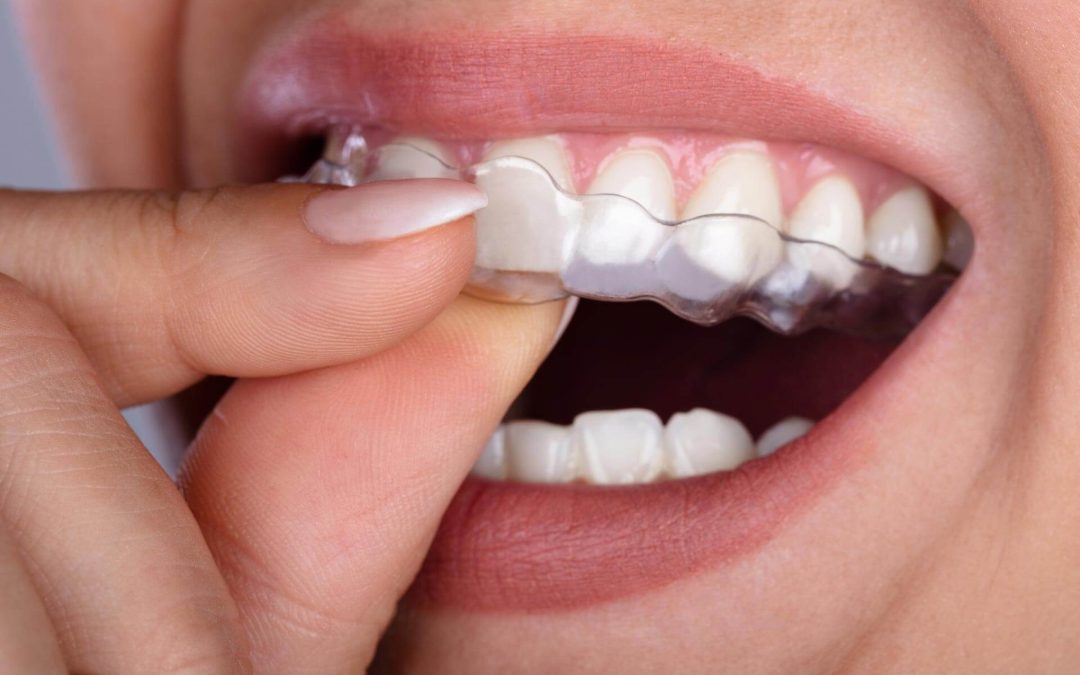
Maintaining Oral Hygiene with Braces: Tips for a Healthy Smile
Braces are an effective orthodontic treatment that can transform your smile by straightening misaligned teeth. However, wearing braces requires extra attention to oral hygiene. The brackets and wires can create additional spaces for food particles to get trapped,...
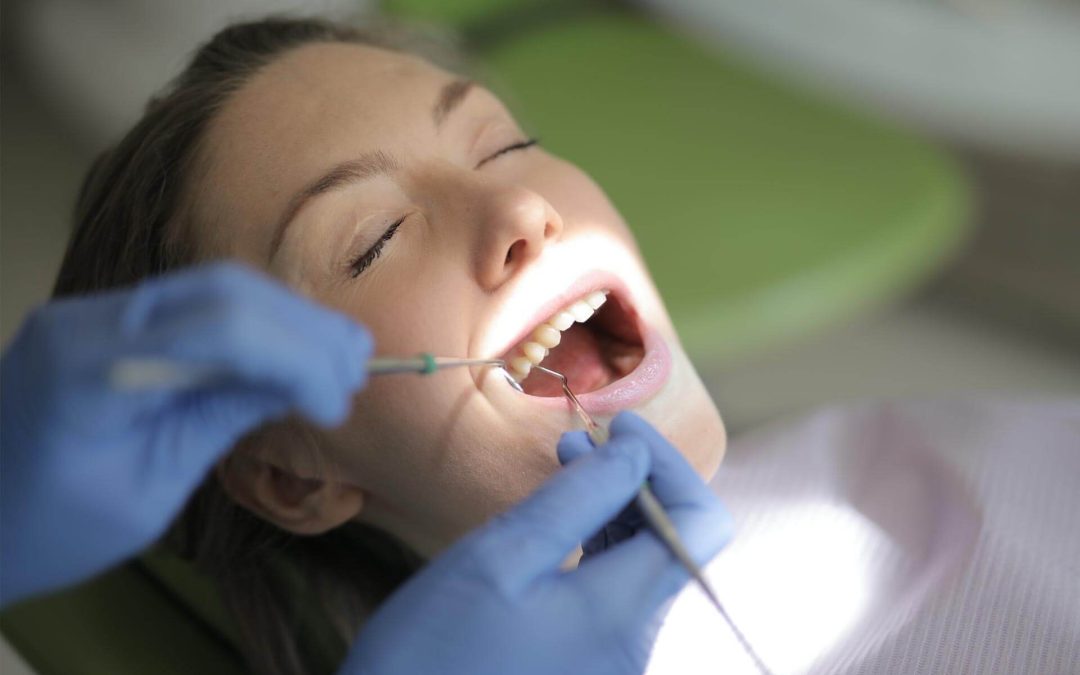
Oral Health Maintenance
Maintaining good oral health goes beyond daily brushing and flossing. Regular dental check-ups are a vital component of a comprehensive oral care routine. These check-ups provide an opportunity for professional evaluation, preventive care, and early detection of...
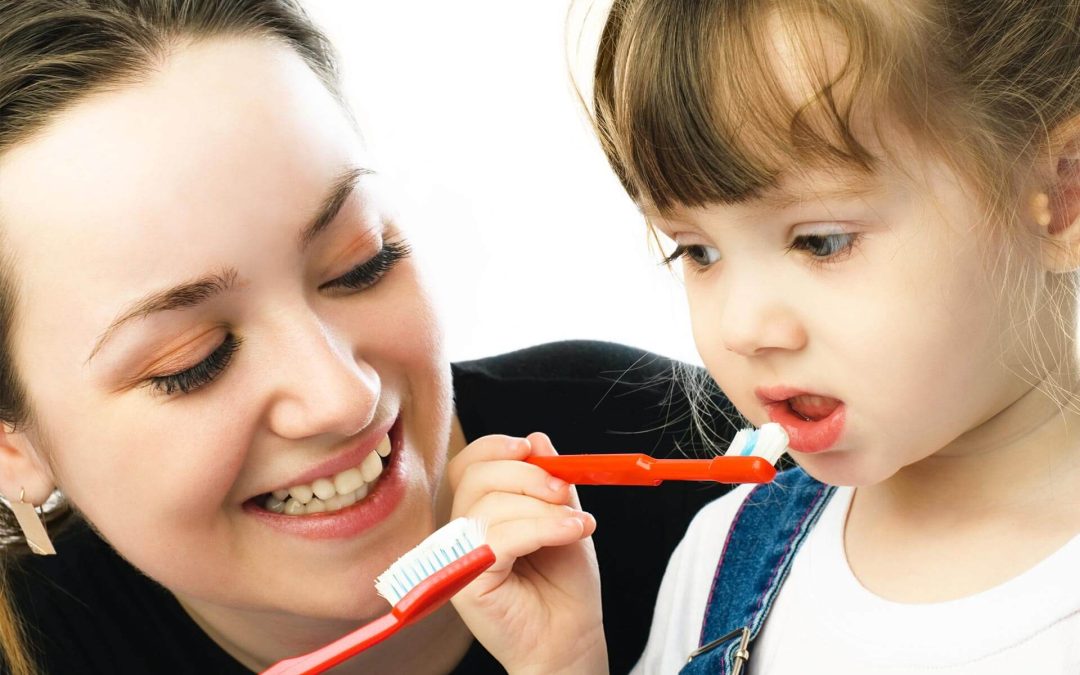
The Importance of Oral Health for Children: Building Lifelong Smiles
Oral health is an integral part of overall well-being, and it plays a crucial role in the development of children. Good oral hygiene habits established in childhood can lead to a lifetime of healthy smiles and prevent a myriad of dental problems. This article explores...

Dentures vs. Dental Implants
When it comes to tooth replacement options, dentures and dental implants are two popular choices. Both offer unique advantages and considerations. In this article, we explore the pros and cons of dentures and dental implants to help individuals make an informed...

Schedule an Appointment Today