

Dentures vs. Dental Implants
When it comes to tooth replacement options, dentures and dental implants are two popular choices. Both offer unique advantages and considerations. In this article, we explore the pros and cons of dentures and dental implants to help individuals make an informed decision about which option best suits their needs.
Dentures Pros:
- Affordability: Dentures are generally more affordable compared to dental implants, making them a viable option for individuals with budget constraints.
- Non-invasive: Dentures are a non-surgical tooth replacement option. They involve taking impressions of the mouth and creating a custom-fitted set of artificial teeth, which can be easily adjusted or replaced if necessary.
- Restored Aesthetics and Function: Dentures can restore a person’s smile, improve speech, and enhance chewing ability, allowing for a relatively normal functioning mouth.
Dentures Cons:
- Potential Discomfort: Some individuals may experience initial discomfort or soreness as they adjust to wearing dentures. Ill-fitting dentures may also cause gum irritation or sores.
- Slippage and Difficulty in Adaptation: Dentures may slip or shift during eating or speaking, requiring regular adjustments. It may take time to adapt to wearing dentures, including adjusting to the feeling of having a foreign object in the mouth.
- Jawbone Resorption: Dentures do not stimulate the jawbone like natural teeth or dental implants do, which can lead to bone loss over time and changes in facial structure.
Dental Implants Pros:
- Exceptional Stability and Functionality: Dental implants are surgically placed in the jawbone, providing stability and a secure foundation for artificial teeth. They closely mimic the look, feel, and function of natural teeth.
- Longevity and Durability: With proper care, dental implants can last a lifetime. They are designed to be a permanent solution, eliminating the need for frequent replacements or adjustments.
- Bone Preservation: Dental implants stimulate the jawbone, preventing bone loss and preserving the overall facial structure. This helps maintain oral health and prevents changes in appearance due to bone resorption.
Dental Implants Cons:
- Cost: Dental implants are generally more expensive than dentures. The cost includes surgical procedures, implant placement, and the creation of customized artificial teeth. However, considering their longevity, dental implants can be a cost-effective long-term investment.
- Surgical Procedure: Dental implant placement requires oral surgery, which may involve a healing period and potential temporary discomfort. Some individuals may not be suitable candidates for dental implants due to certain health conditions or insufficient bone density.
- Time-Consuming Process: The dental implant process involves multiple stages, including implant placement, healing, and the creation and placement of artificial teeth. This process can span several months, requiring patience and regular dental visits.
Choosing between dentures and dental implants depends on individual circumstances, budget, and personal preferences. Dentures offer an affordable and non-invasive option for tooth replacement, while dental implants provide exceptional stability, functionality, and long-term benefits. Consider factors such as oral health, lifestyle, comfort, and budget when making a decision. Consulting with a dental professional can provide valuable guidance and help determine the most suitable option for achieving a restored smile and optimal oral health. Remember, both dentures and dental implants can provide effective solutions for tooth loss, allowing individuals to regain their confidence and enjoy a functional, beautiful smile.

The Role of Nutrition in Oral Health
When it comes to oral health, most people focus on brushing, flossing, and regular dental check-ups. However, it's important to remember that nutrition plays a significant role in maintaining a healthy smile. The foods we consume directly impact our teeth and gums,...

Dental Anxiety? Relaxation Techniques for a Stress-Free Dental Experience
Dental anxiety or fear of visiting the dentist is a common issue that many individuals face. This fear can stem from various factors, such as past negative experiences, fear of pain, or a general sense of unease in a dental setting. Fortunately, there are relaxation...
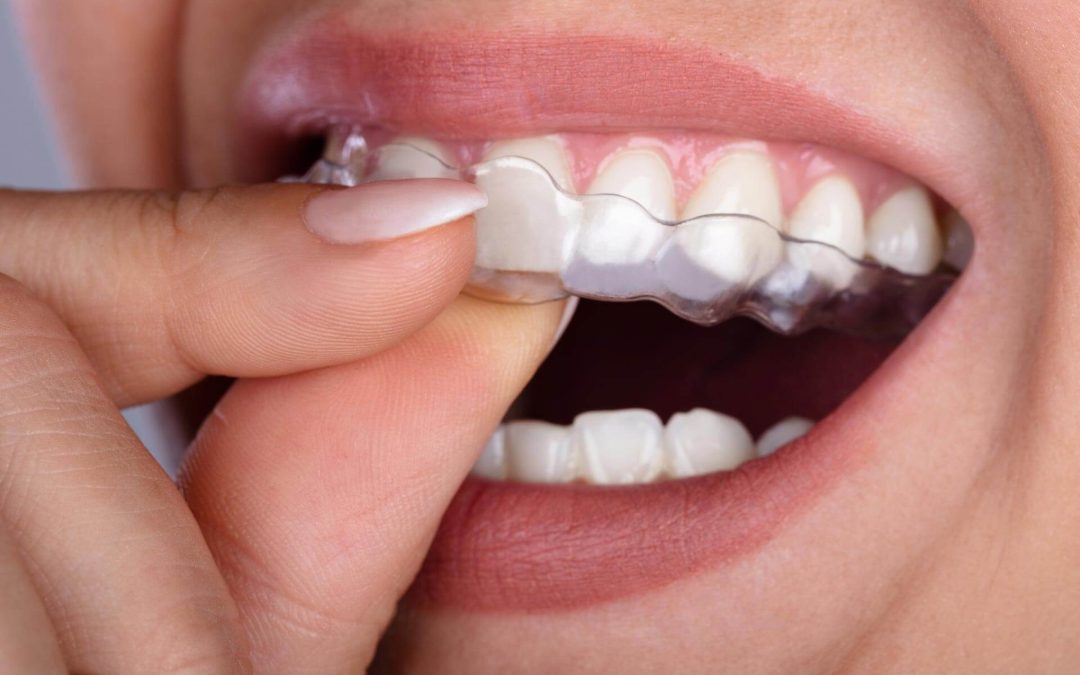
Maintaining Oral Hygiene with Braces: Tips for a Healthy Smile
Braces are an effective orthodontic treatment that can transform your smile by straightening misaligned teeth. However, wearing braces requires extra attention to oral hygiene. The brackets and wires can create additional spaces for food particles to get trapped,...
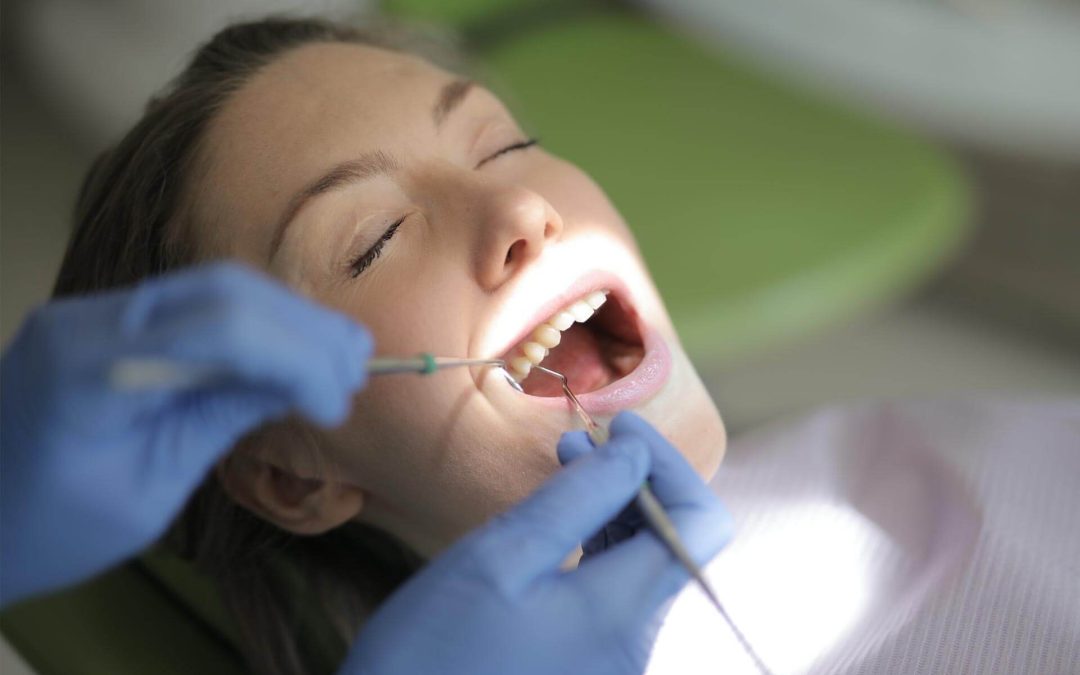
Oral Health Maintenance
Maintaining good oral health goes beyond daily brushing and flossing. Regular dental check-ups are a vital component of a comprehensive oral care routine. These check-ups provide an opportunity for professional evaluation, preventive care, and early detection of...

The Importance of Oral Health for Children: Building Lifelong Smiles
Oral health is an integral part of overall well-being, and it plays a crucial role in the development of children. Good oral hygiene habits established in childhood can lead to a lifetime of healthy smiles and prevent a myriad of dental problems. This article explores...

Schedule an Appointment Today