

The Role of Nutrition in Oral Health
When it comes to oral health, most people focus on brushing, flossing, and regular dental check-ups. However, it’s important to remember that nutrition plays a significant role in maintaining a healthy smile. The foods we consume directly impact our teeth and gums, either supporting their health or contributing to oral health problems.
Calcium-rich Foods
Calcium is an essential mineral for strong teeth and bones. Incorporate calcium-rich foods such as dairy products (milk, cheese, yogurt), leafy green vegetables (kale, spinach), almonds, and fortified plant-based milk alternatives into your diet. These foods help strengthen tooth enamel and support overall oral health.
Crunchy Fruits and Vegetables
Crunchy fruits and vegetables act as natural toothbrushes, promoting saliva production and scrubbing away plaque and food particles. Apples, carrots, celery, and cucumbers are excellent choices. Their high water content also helps hydrate the mouth and wash away bacteria.
Vitamin C-rich Foods
Vitamin C is essential for healthy gums and connective tissues. Include citrus fruits (oranges, grapefruits), strawberries, kiwi, bell peppers, and broccoli in your diet. Vitamin C boosts collagen production, supports gum tissue health, and helps prevent gum disease.
Foods Rich in Vitamin D
Vitamin D aids in the absorption of calcium, contributing to strong teeth and bones. Natural sources of vitamin D include fatty fish (salmon, mackerel), egg yolks, fortified milk, and sunlight exposure. Incorporating these foods into your diet helps maintain optimal oral health.
Green and Black Tea
Both green and black teas contain compounds called polyphenols that suppress the growth of bacteria responsible for cavities and gum disease. Additionally, tea helps neutralize acids in the mouth, reducing the risk of enamel erosion. Enjoying a cup of unsweetened tea can benefit your oral health.
Water
Water is crucial for overall health, including oral health. Drinking fluoridated water helps strengthen tooth enamel and protect against tooth decay. Water also promotes saliva production, which helps rinse away food particles and neutralize acids in the mouth.
Dairy Products
Dairy products are rich in calcium and phosphates, which are essential for strengthening teeth and protecting tooth enamel. Incorporate low-fat milk, cheese, and yogurt into your diet to support oral health.
Sugar-free Gum
Chewing sugar-free gum stimulates saliva flow, which helps wash away bacteria and neutralize acids. Look for gum sweetened with xylitol, a natural sugar substitute known to reduce the risk of cavities.
Nuts and Seeds
Nuts and seeds are packed with essential nutrients, including calcium, phosphorus, and magnesium, which promote healthy teeth and gums. Incorporate almonds, walnuts, chia seeds, and sesame seeds into your diet for their oral health benefits.
Limit Sugary and Acidic Foods
Minimizing the consumption of sugary and acidic foods and drinks is essential for maintaining oral health. These substances contribute to tooth decay and enamel erosion. When indulging in sweet or acidic treats, rinse your mouth with water afterward to help mitigate their effects.
As you can see, proper nutrition plays a vital role in maintaining a healthy smile. By incorporating calcium-rich foods, crunchy fruits and vegetables, vitamin C-rich foods, vitamin D sources, green and black tea, water, dairy products, sugar-free gum, nuts and seeds, and limiting sugary and acidic foods, you can support optimal oral health.

Dental Anxiety? Relaxation Techniques for a Stress-Free Dental Experience
Dental anxiety or fear of visiting the dentist is a common issue that many individuals face. This fear can stem from various factors, such as past negative experiences, fear of pain, or a general sense of unease in a dental setting. Fortunately, there are relaxation...
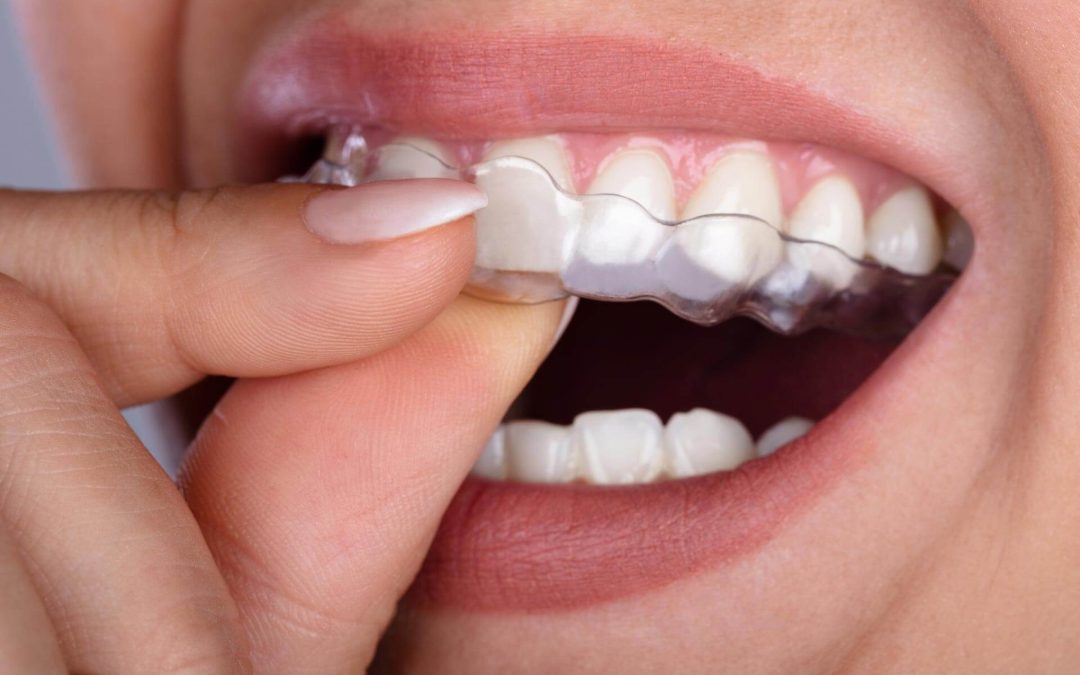
Maintaining Oral Hygiene with Braces: Tips for a Healthy Smile
Braces are an effective orthodontic treatment that can transform your smile by straightening misaligned teeth. However, wearing braces requires extra attention to oral hygiene. The brackets and wires can create additional spaces for food particles to get trapped,...

Oral Health Maintenance
Maintaining good oral health goes beyond daily brushing and flossing. Regular dental check-ups are a vital component of a comprehensive oral care routine. These check-ups provide an opportunity for professional evaluation, preventive care, and early detection of...

The Importance of Oral Health for Children: Building Lifelong Smiles
Oral health is an integral part of overall well-being, and it plays a crucial role in the development of children. Good oral hygiene habits established in childhood can lead to a lifetime of healthy smiles and prevent a myriad of dental problems. This article explores...

Dentures vs. Dental Implants
When it comes to tooth replacement options, dentures and dental implants are two popular choices. Both offer unique advantages and considerations. In this article, we explore the pros and cons of dentures and dental implants to help individuals make an informed...

Schedule an Appointment Today